Suica, PASMO or Welcome Suica: which IC card to get
For a trip under 28 days, a no-deposit visitor card (Welcome Suica or TOURIST PASMO) is simplest. When to pick regular Suica, PASMO or a phone instead.
Last checked By Yoshi6 min read6 sources
Quick answer
If you are visiting Japan for less than 28 days, get one of the two visitor cards, Welcome Suica or TOURIST PASMO: they work like the regular cards but need no ¥500 deposit. For trips longer than 28 days, buy a regular Suica or PASMO instead; if you would rather use your phone, JR East’s Welcome Suica Mobile app can be set up before you arrive.
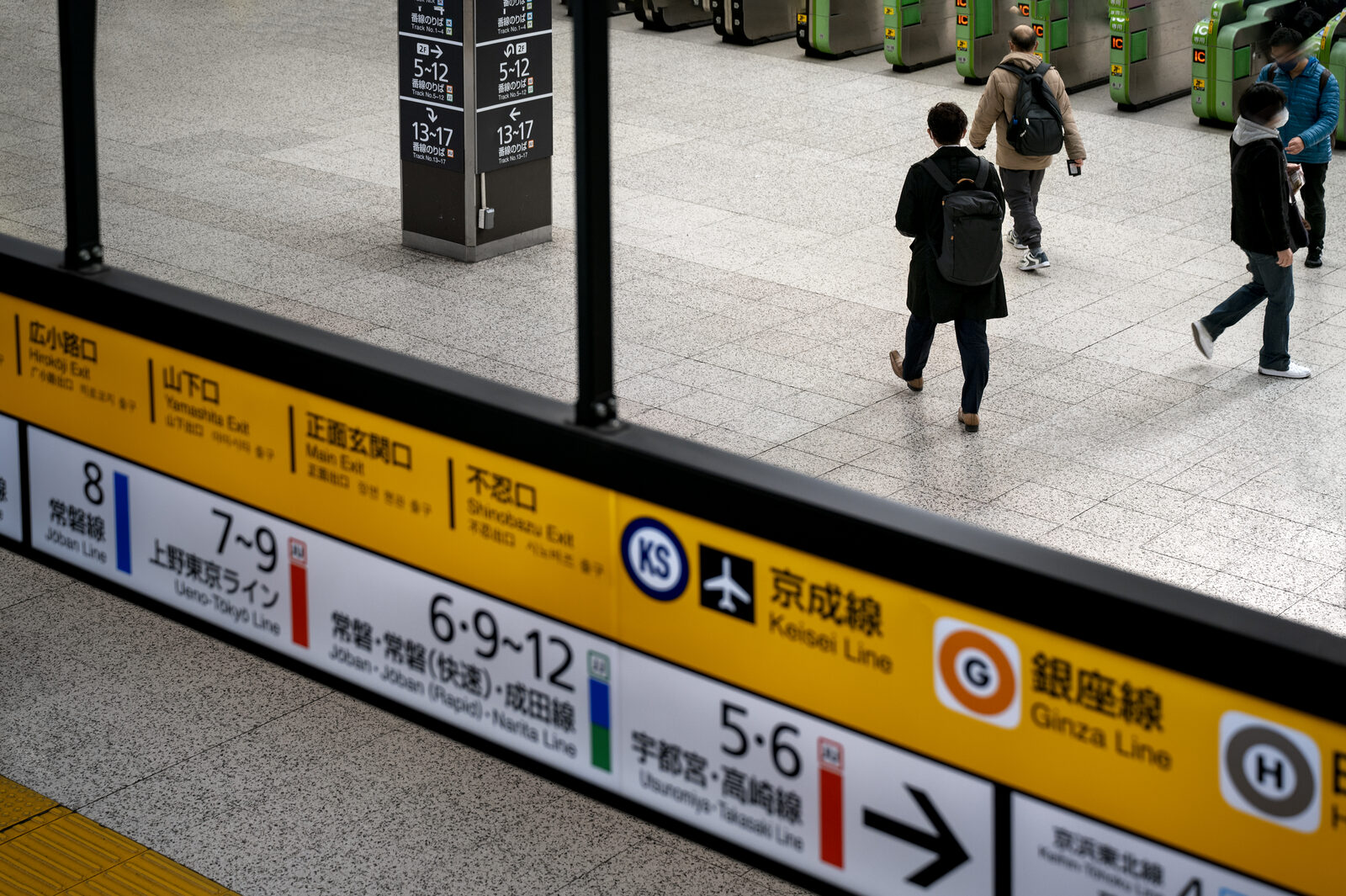
Suica and PASMO are the two prepaid transport IC cards sold in the Tokyo area. You touch the card on the reader at the ticket gate, the fare comes off the balance, and you top it up when it runs low. For the rest of your getting-around questions, see our Transport guides.
Suica and PASMO work the same way
The name on the card matters much less than people expect. According to GO TOKYO, the official Tokyo travel guide, Suica works on trains, buses and in some shops across the areas of other IC card operators, and PASMO can be used in Suica’s area and many others too. PASMO lists ten transport IC cards that are interchangeable for train and bus fares:
- Suica and PASMO (Tokyo area)
- Kitaca, TOICA, manaca, ICOCA, PiTaPa, HAYAKAKEN, nimoca and SUGOCA (other regions)
So a Suica bought in Tokyo also pays fares where those cards are accepted, for example ICOCA’s area. PASMO notes two limits. Not every railway and bus line in Japan accepts IC cards. And PiTaPa does not take part in nationwide mutual use for shopping, only for fares.
What does differ is the type of card: a regular card with a deposit, a visitor card without one, or a card on your phone.
| Regular Suica or PASMO | Welcome Suica or TOURIST PASMO | Card on your phone | |
|---|---|---|---|
| Deposit | ¥500 | None | Depends on the app |
| How long it works | No 28-day limit | 28 days | Depends on the app |
| Meant for | Anyone | Short-term foreign visitors | Phone users; Mobile PASMO generally does not work on Android phones bought outside Japan |
| Where to get it | Stations of participating railways | TOURIST PASMO: Haneda and Narita airport stations | Welcome Suica Mobile: before or after you arrive |
The visitor cards: Welcome Suica and TOURIST PASMO
GO TOKYO describes Welcome Suica and TOURIST PASMO as IC cards for short-term foreign visitors. Compared with regular cards:
- No deposit. JNTO says most IC cards need a ¥500 deposit, and these two do not.
- 28 days only. After that the card stops working.
- Same uses. In their service areas you can pay train and bus fares and pay at shops that take electronic money, as with a regular card.
- Sold in set amounts from ¥1,000. Which amounts you can buy depends on where you buy.
TOURIST PASMO
PASMO began selling TOURIST PASMO in May 2026. It replaces PASMO PASSPORT, the visitor card PASMO sold until 2024, according to Tokyo Metro’s announcement. As of November 2026, PASMO’s own page says:
- Price: ¥1,000 to ¥10,000, depending on where you buy it. There is no deposit and no service charge.
- Validity: 28 days from the date of purchase.
- Where to buy it:
- Haneda Airport, Keikyu Terminal 1 and 2 Station: ticket machines for travelers, one at each terminal’s gate. ¥1,000, ¥2,000, ¥3,000, ¥4,000, ¥5,000 or ¥10,000, and credit cards are accepted.
- Haneda Airport, Keikyu Terminal 3 Station: the Keikyu Tourist Information Center in the 2nd floor arrival lobby, and a ticket machine for travelers next to it. Same amounts, and credit cards are accepted.
- Narita Airport, Keisei Terminal 1 and Terminal 2 stations: the Skyliner & Keisei Information Center. ¥2,000 only.
- Topping up: with cash at station ticket machines, at convenience stores and some shops, or on a bus in ¥1,000 notes. The balance cannot go above ¥20,000, and on a bus, top-ups stop at a balance of ¥10,001.
- Refunds: none. Money left on the card when you go home is not refunded, and PASMO suggests keeping the card as a souvenir.
- Lost cards cannot be reissued.
- Children’s cards can be used until March 31 of the year the child turns 12.
- Keep the paper slip you get with the card. It shows the expiry date, whether the card is for an adult or a child, and the value loaded.
TOURIST PASMO is the easy choice if you land at Haneda or Narita and take a Keikyu or Keisei train into the city.
Welcome Suica
Welcome Suica is JR East’s visitor card. It has no deposit and works for 28 days, and is sold in set amounts from ¥1,000. JR East’s English pages could not be reached when we checked this guide, so we have not listed its sales points or refund rules. Check JR East’s Welcome Suica page before you travel.
Regular Suica or PASMO: for longer stays
A regular card has no 28-day limit, so it suits a trip of more than four weeks or a return visit.
- Suica: GO TOKYO lists cards for ¥1,000, ¥2,000, ¥3,000, ¥4,000, ¥5,000 and ¥10,000. The price includes the ¥500 deposit, and the rest is usable credit.
- PASMO: sold at the stations of participating railways, with a ¥500 deposit.
The advantage over a visitor card is that it keeps working after 28 days.
Using a card on your phone
GO TOKYO says you can tap in with your phone after setting up the mobile Suica or PASMO app, and top up through the phone.
- Welcome Suica Mobile is JR East’s app for visitors. GO TOKYO says it lets you create and top up a Suica without going to a station ticket office or ticket machine, before or after you enter Japan. That makes it the one option you can set up at home.
- PASMO works on iPhone and Apple Watch, according to PASMO. For Android, PASMO says devices bought outside Japan generally do not work with Mobile PASMO, and its support is only in Japanese.
If you have an Android phone from home, plan on a plastic card. A phone card is useful if you would rather not carry cash for top-ups, but the battery has to last the day.
Which card should you get?
- Trip under 28 days, arriving at Haneda or Narita: buy TOURIST PASMO at the airport station before you board your train into the city.
- Trip under 28 days, and you want everything ready before you fly: set up Welcome Suica Mobile at home, after checking that the app supports your phone.
- Trip longer than 28 days, or you want to reuse the card on a later trip: buy a regular Suica or PASMO and accept the ¥500 deposit.
- Android phone from outside Japan: use a plastic card.
Two things an IC card will not do
It is not your Shinkansen ticket. An IC card pays ordinary fares, but for a Shinkansen you need a ticket or reservation. On smartEX you can link an IC card to your booking and use it at the gate, but the fare is still charged to your credit card. Our guide on how to buy Shinkansen tickets online explains how that works. smartEX also notes that visitor IC cards stop working at the gate after their 28 days. If you plan several long rail journeys, our guide on whether the Japan Rail Pass is worth it shows how to compare the pass with single tickets.
It is not the only way to pay in Tokyo. GO TOKYO says many train and subway lines in and around Tokyo now accept a tap of a contactless credit card at the gate. That service is not available on JR lines, the Keisei Line or the Tokyo Monorail, and on the Tobu and Seibu railways it covers only certain lines. An IC card works on all of those.
The card details on this page were checked against GO TOKYO, JNTO, PASMO and Tokyo Metro pages on November 27, 2026. Sales points and prices for the visitor cards change from time to time, so check the issuer’s page before you travel.
Sources
Checked for this guide. Prices and rules can change, so confirm with the operator before you travel. Spotted something out of date? Email contact@japantravelanswers.com.
- Cheap Tickets & IC Cards, GO TOKYO (Tokyo Convention & Visitors Bureau)
- IC Travel Cards (Suica, PASMO and others), JNTO
- Use TOURIST PASMO, PASMO
- What is PASMO?, PASMO
- Tokaido Sanyo Kyushu Shinkansen Internet Reservation Service (smartEX), beginner guide
- TOURIST PASMO launch announcement (Japanese), Tokyo Metro, April 17, 2026

Yoshi, Founder & Editor
Yoshi is an AI engineer based in Japan and a passionate domestic traveler. He combines local knowledge, analytical thinking, and technology to help international visitors explore Japan with confidence through clear, practical travel guides and tools.